













November 10
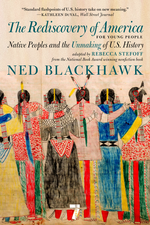
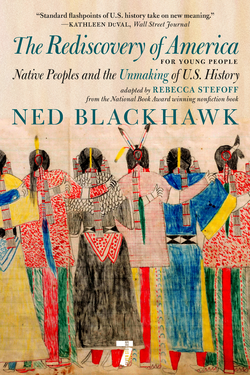
THE REDISCOVERY OF AMERICA FOR YOUNG PEOPLE
By Ned Blackhawk, Adapted by Rebecca Stefoff
Winner of the 2023 National Book Award, this crucially expansive history of Native America is now available for readers ages 12 and up
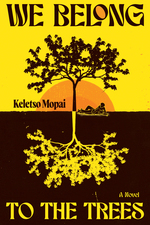
WE BELONG TO THE TREES: A NOVEL
BY KELETSO MOPAI
BY KELETSO MOPAI
★ “A riveting mosaic . . . with well-wrought characterizations and distinctive dialects. It’s an unforgettable tale of a community fighting for its dignity and freedom.” ★
—Publishers Weekly, Starred Review

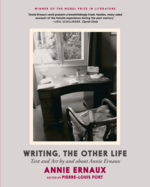
OUT NOW: Two New Books by Annie Ernaux
Hotel Casanova & Other Brief Texts, the first-ever collection of her short stories and essays, and Writing, The Other Life: Text and Art by and About Annie Ernaux, a gigantic compendium of unpublished work, edited by Pierre-Louis Fort

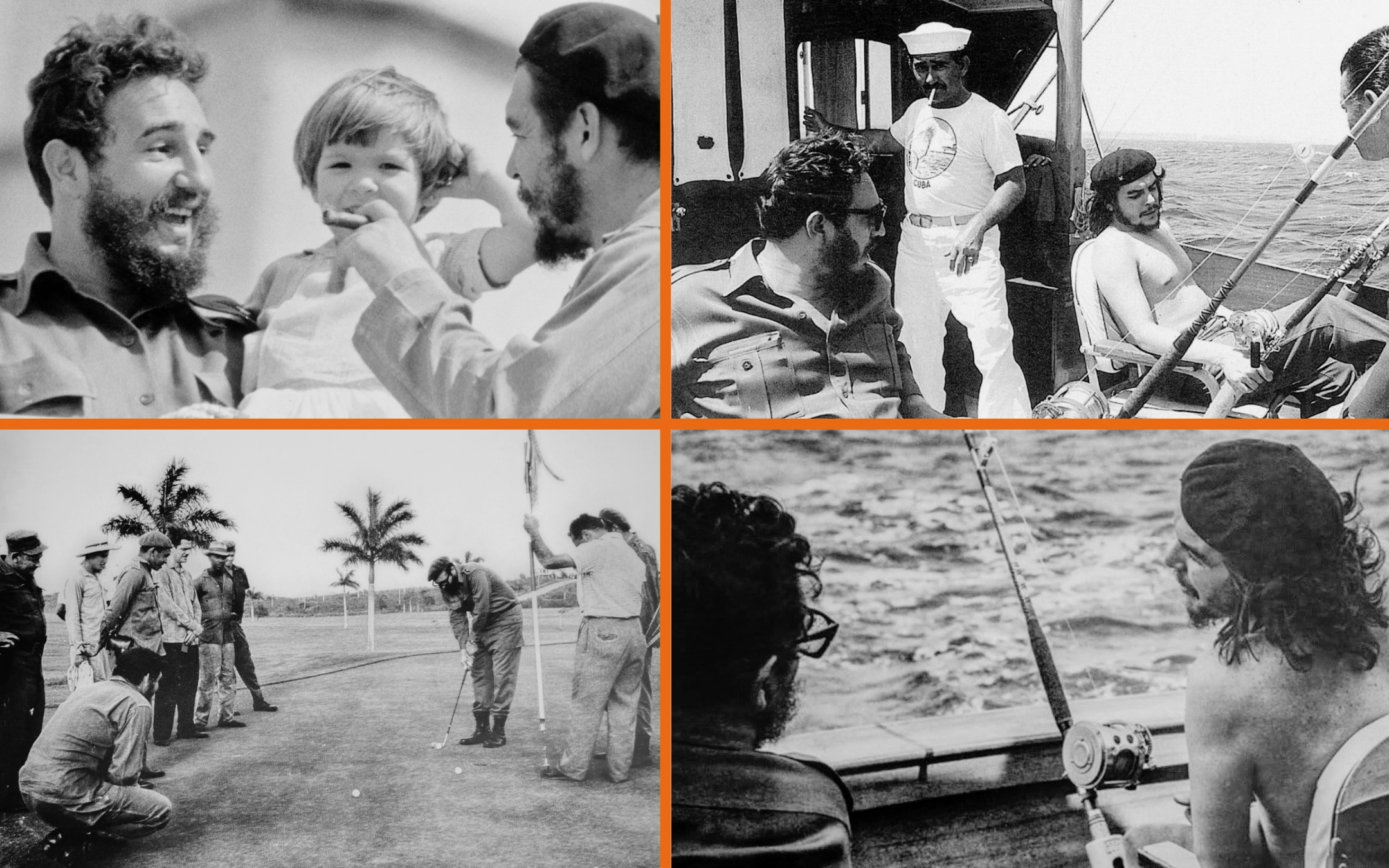
ON THE RETURN OF CHE'S REMAINS TO CUBA
An excerpt from Che, a Memoir by Fidel Castro
On our blog, a speech delivered by Fidel Castro on October 17, 1997, at the memorial honoring the return of Che’s remains to Cuba.
Remembering Linda Asher
(1932 - 2026)
A friend of Seven Stories, the descerning and hugely talented French translator Linda Asher, died on Tuesday, September 15, 2026.
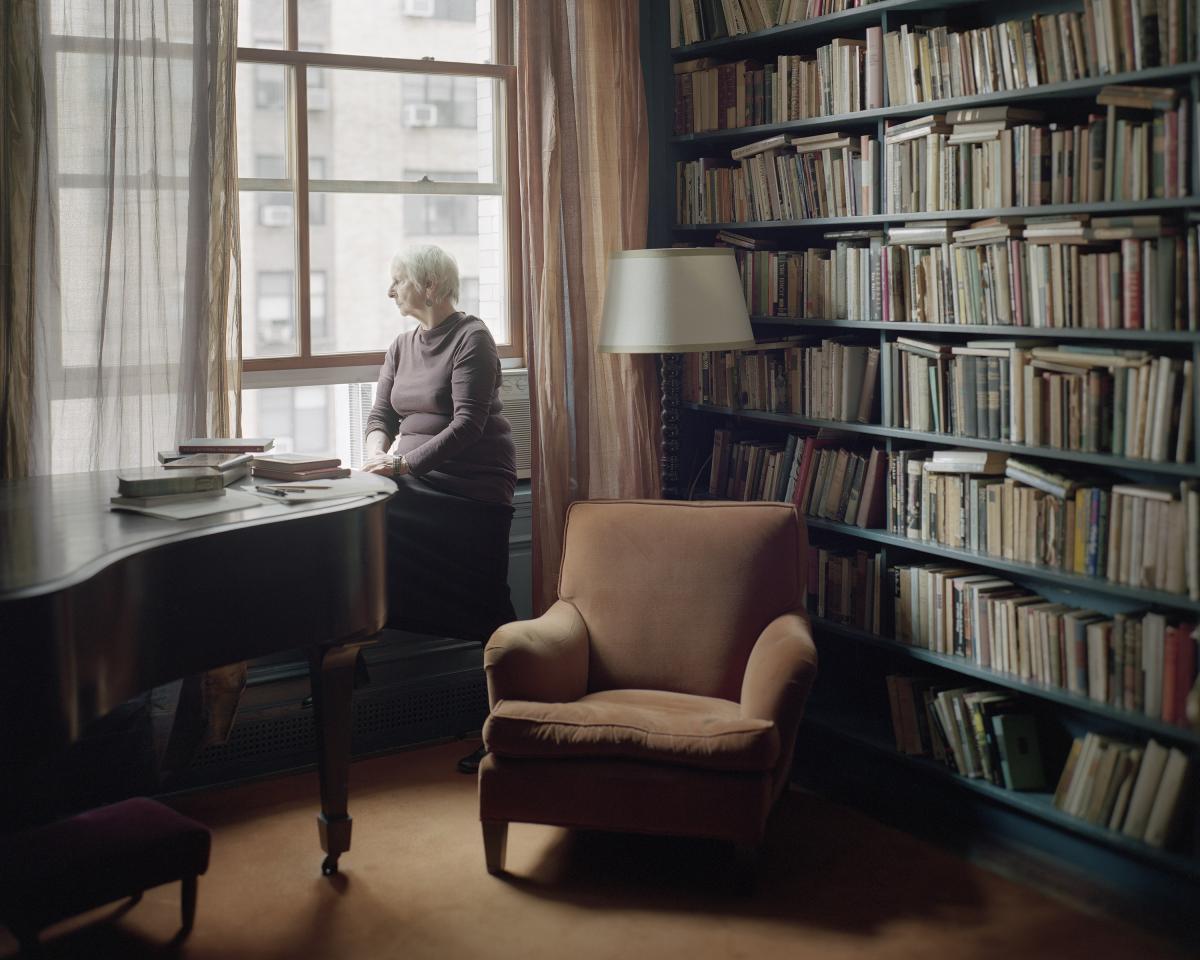
BREAKING ICE
A NEW BOOK BY SONALI KOLHATKAR
Featuring interviews with Pablo Alvarado, Ibram X. Kendi, Robin D. G. Kelley, Christine Neumann-Ortiz, Viet Thanh Nguyen, Favianna Rodriguez, Luis Rodriguez, Richard Wallace, Kent Wong, and many others.

Provincetown Seafood Cookbook
By Howard Mitcham
Intro by Anthony Bourdain
Provincetown's best-known and most-admired chef, Howard Mitcham, combines delectable recipes, cheery illustrations, and delightful folklore to serve up an iconic seafood cookbook.

ENEMY OF THE SUN
POETRY OF PALESTINIAN RESISTANCE
Originally published in 1970 by the SNCC, this updated edition of Enemy of the Sun features new poems translated by Edmund Ghareeb and a new foreword by Dr. Greg Thomas.

Peak Attitude:
The Novels of Renata Adler
By Gary Indiana
The Novels of Renata Adler
Novelist and critic Gary Indiana, born July 16, 1950, discusses the work of novelist and critic Renata Adler. Excerpted from Indiana’s 2022 collection Fire Season: Selected Essays, 1984-2021.

NEW WORKS OF THE RADICAL IMAGINATION
EXPLORE THE 2026 CATALOG FROM SEVEN STORIES PRESS
New and forthcoming books published by Seven Stories Press, Two Dollar Radio, and Triangle Square Books for Young Readers.

ORLANDA: A NOVEL
BY JACQUELINE HARPMAN
TRANSLATED BY ROS SCHWARTZ
BY JACQUELINE HARPMAN
TRANSLATED BY ROS SCHWARTZ
From the author of I Who Have Never Known Men, a groundbreaking novel about a woman whose mind splinters and finds itself in the body of a young man.

SAD TIGER
BY NEIGE SINNO, TR. NATASHA LEHRER
Winner of the the National Book Critics Circle's Gregg Barrios Prize for Books in Translation
Finalist for the National Book Award for Translated Literature

REMEMBERING MARJANE SATRAPI
(1969-2026)
(1969-2026)
You are missed and shall be remembered always.
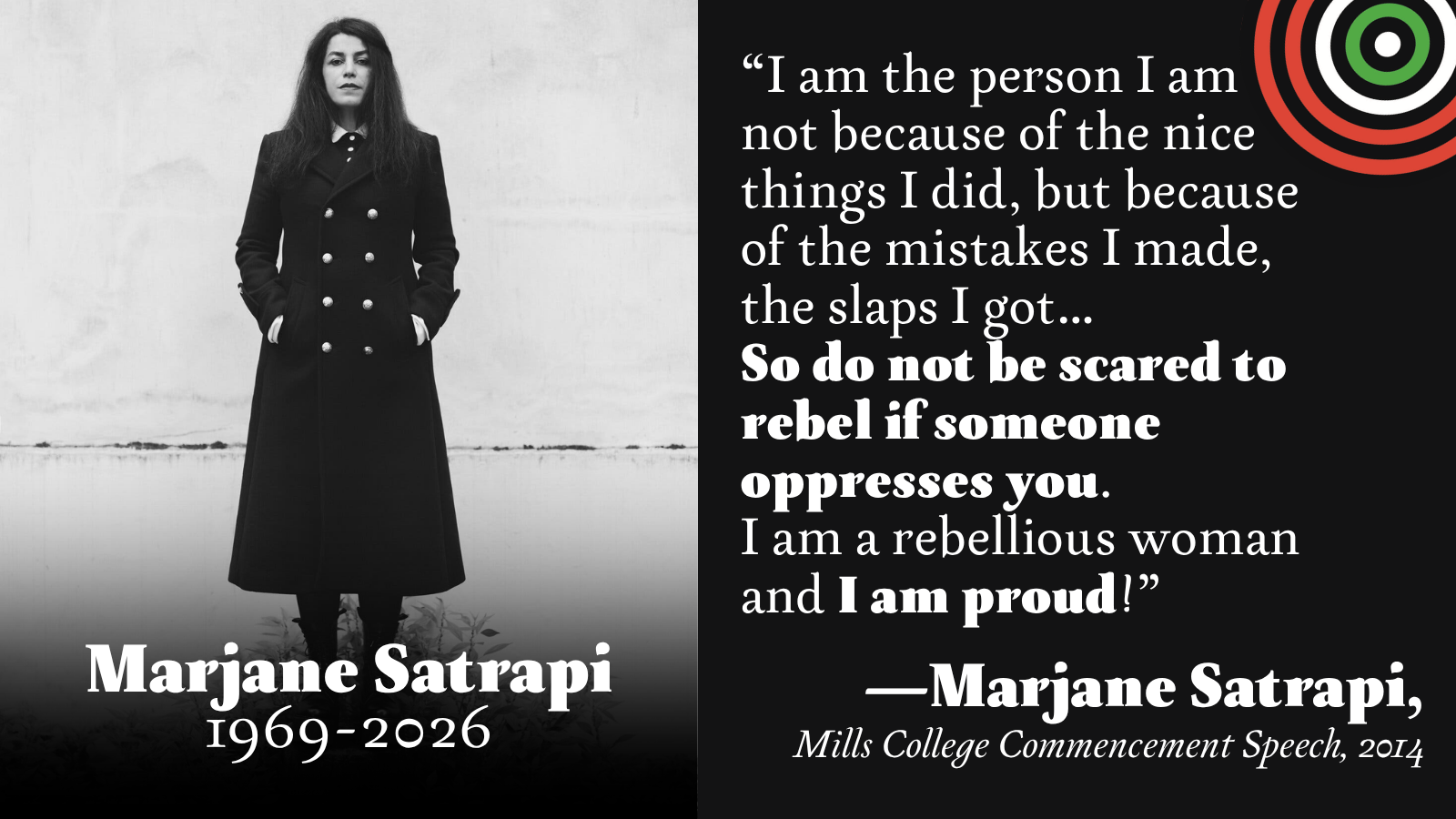
A FREE eBOOK SAMPLER OF LITERATURE IN TRANSLATION
Featuring prose by Annie Ernaux, Abdellah Taïa, Krisztina Tóth, Che Guevara, Jacqueline Harpman, and José Antonio Emmanuel, and poems by Rashed Hussein, Sameeh Al-qassem, Samar Najia, and Hend Judat.
Abolition is the only way forward
a reading list
a reading list
"Conventional wisdom would have one believe that it is insane to resist this, the mightiest of empires... [but] the greatest form of sanity that anyone can exercise is to resist that force that is trying to repress, oppress, and fight down the human spirit.” ―Mumia Abu-Jamal
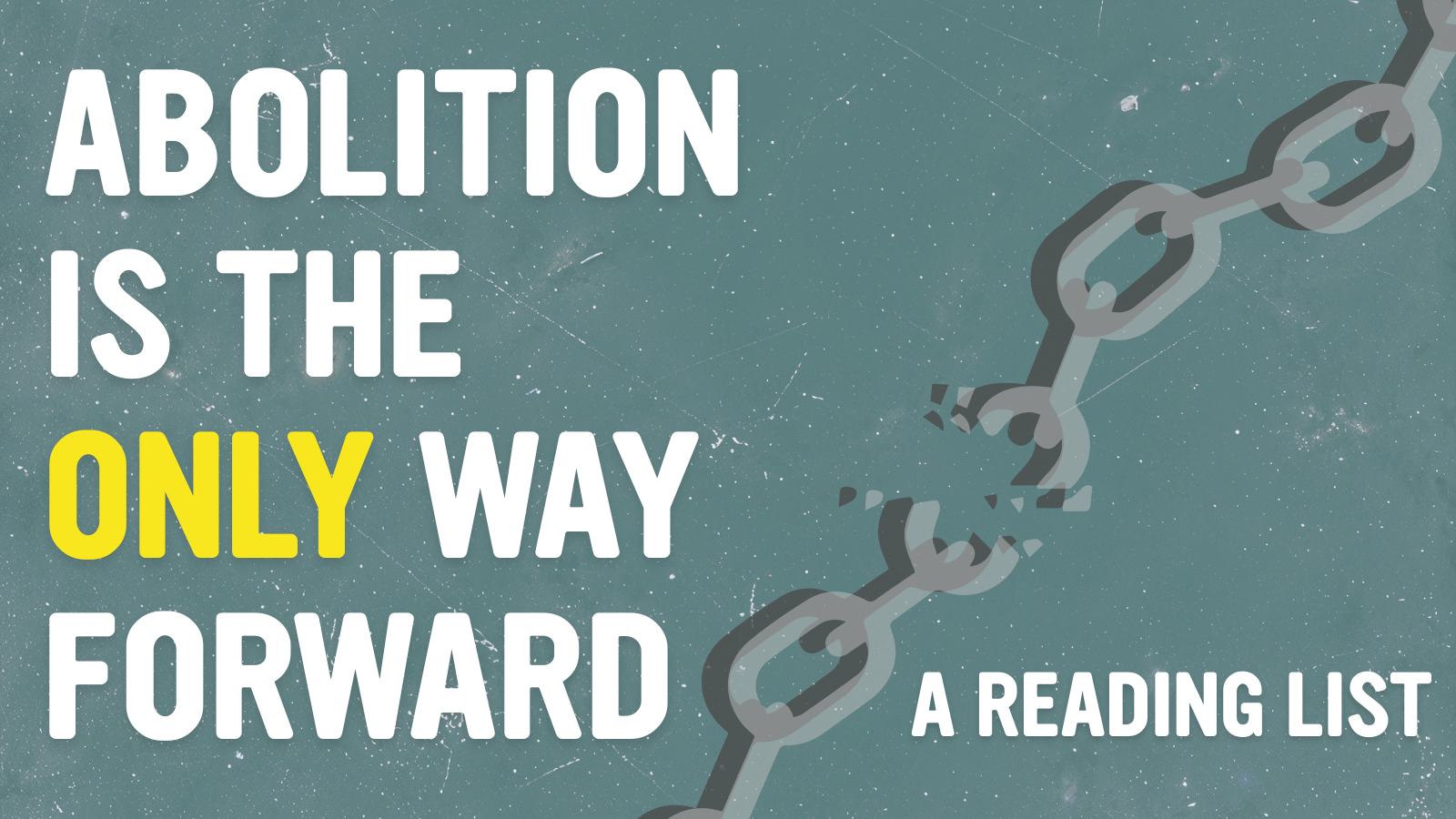
A MAN WITHOUT A COUNTRY: 20th anniversary edition
BY KURT VONNEGUT
BY KURT VONNEGUT
“The America I loved still exists, if not in the White House, the Supreme Court, the Senate, the House of Representatives, or the media. The America I loved still exists at the front desks of our public libraries.”

ARE PRISONS OBSOLETE?
by Angela Y. Davis
What is prison abolition? In Are Prisons Obsolete?, Angela Y. Davis presents a compelling case for why we must immediately dismantle the prison industrial complex.

FREE U.S. SHIPPING ON ORDERS $25+

New and Forthcoming Books from Seven Stories Press
New releases and bestselling titles from Seven Stories Press.
Free shipping with orders $25+ and a free e-book bundle with every order.
Sherry, an excerpt from “We Belong to the Trees” by Keletso Mopai
On the publication date of Keletso Mopai’s debut novel We Belong to the Trees, we are proud to share an excerpt from this “riveting mosaic” (Publishers Weekly) of a story, in which a devastating act of racial violence reverberates through a small town in 1990s South Africa. In the excerpt, which you can read in full below as well as on our Substack, Mopai offers a moment in time from the perspective of a child, Sherry, as she learns from her mother that a her classmate’s security guard had been murdered the night before.
Sherry
It was early morning when Sherry’s mother exhaled a wisp of smoke from her lips, the white phone cord outstretched, and coils tightened. She had to finish cooking but her friend needed her. “I cannot believe it. I cannot believe it!” she kept repeating into the phone.
Sherry lingered by the door to the living room. She listened, trying to discern the conversation. What she had figured out so far was that the person on the line with her mother was a woman, frantically crying, and that they were close. That narrowed things down a little.
“Of course, of course. You may come here. Ja, I understand, see you soon,” said her mother.
Sherry asked her: “Who was that, Ma?”
Coenie didn’t answer and was still holding the phone with her left hand while the right clamped the cigarette.
“Ma!”
Coenie jerked and knocked her knee against the oven door. “Sherry, don’t do that again!”
“Who were you talking to?”
“Oh,” Coenie exhaled. The oats simmered and she closed the pot with a pang. “That was Nico’s mother.” She grabbed the blue rag from the oven handle but did nothing with it. “They had, erm, an accident at their house last night.”
“An accident? What kind of accident?”
“I don’t understand myself what occurred, really. She—she was crying the entire time.”
Sherry tried to picture Nicolas’s mother, but the image felt forced in her head since Nicolas’s mother was always so blissful whenever she visited. She, her mother, and other friends would laugh and laugh until they ran out of things to laugh about as they smoked, played board games, painted, or chatted freely in the sitting room.
She observed her mother, whose mind was clearly transfixed by the phone call, now staring at the curtain. “Ma! It’s burning!”
“Oh, for heaven sakes!” Coenie moved the pot to an unheated plate and groaned when her fingers burned.
Sherry rolled her tongue in her mouth. Her mother slid the bowl of oats across the table toward her. “Spoon, please.” She let the steam dissipate before she began eating, but grew impatient and dug in, blowing her cool breath onto the spoon. Her mother seemed to drift off again—she roughly wiped the table with the rag, eyes distant.
Once she was done eating, Sherry went to her bedroom to grab her stereo. Walking back into the kitchen, she found her mother squeezing oranges into a flask. As she walked toward the front door, she heard a car door close outside. She stepped outside. A woman opened their iron gate—lifting the latch and hooking it in a hurry. Even with the unflattering scarf tied around her face and her slight limp, Sherry knew it was Nicolas’s mother.
Usually, she came to their house carrying a small basket of soetkoekies, or a foil-covered dish, or a sack filled with grocery items, but this time she had nothing on her—as if bringing something was never customary, but a simple spur-of-the-moment gesture.
Nicolas’s mother trod down the flagstones and greeted her. Sherry returned her greeting with a smile. Then Sherry saw something she couldn’t place—shame, horror, gloom, or all those at once?
Just one look at Nicolas’s mother and Sherry’s mother shook her head. The two women sat down in the living room, and Nicolas’s mother tightened the scarf around her neck.
Sherry decided to sit outside on the long swing chair beside her mother’s flowerpots, and the sun warmed her swaying feet. A painted lady flew over the overgrown lawn, resting on the conifer by the fence. Before her feet, rocks lay thronged with ants, big and small, crawling with urgency, consumed by their missions for the day.
When she and her mother first moved into the house, Sherry used to enjoy bothering the ants—chasing and crushing their little bodies—but now she looked at the insects with disinterest. Some of them made their way onto the stoep, but the layer of dust remained undisturbed.
Sherry eavesdropped as the women chatted inside the house. She left her chair, and it swayed on its own as one asked the other, “You feel sorry for him?”
The other woman took her time before answering the question asked. Having thought about it, she responded, “Nee, what I feel at most, I think, is sadness. I feel sad for the boy, not him. Never him.”
“Did you love him?”
“My husband?”
“No, the guard.”
Nicolas’s mother murmured a curse. “I barely knew him. I liked him though—I did. But now it doesn’t matter, does it?”
Sherry’s left eye peered through the door as her mother said: “It matters. It is all that will matter to everyone.” Coenie clasped an unlit cigarette between her lips. She lifted a lighter and sucked her teeth. Sherry sucked her own—imitating her mother, and recalling her grandmother who was also a smoker. “Shirlene, my kind, go and get me a cigarette in my kamer, will you!” her grandmother would say, then lob herself onto her favorite garden chair and hum dreamily as she blew smoke.
Sherry’s eyes were on her mother’s friend when the scarf suddenly slipped to her shoulders, but she didn’t fix it. Sherry saw that the greenness on her pale cheek stretched to the tip of her neck, like a map revealing itself. She flinched and looked away, overcome by second-hand shame. The bruises looked private. She had invaded what was meant to be hidden.
Coenie added, “If the people in this town find out that you liked him, they will say your husband shot him out of rage, and that he had every right.”
“But he nearly killed me! Thanks to that poor boy, I am alive. Thanks to him, I am alive. I will move mountains before that happens!”
“Ja, you can’t let him spin it around. When the news gets out, everyone in this town will take sides, believe me. Everyone we know won’t care if your husband hit you. All they will hear is that you had an affair with a Black man.”
“Once. It happened once, three years ago, and I hated myself for it. But since then, never.”
“Is that the truth?”
“That’s the truth, on Pa’s grave! But because the boy broke our door and came to my defense while the bliksem hounded me, he thought we were in love. But I know my husband, and his obsession, he has been yearning to shoot someone with one of his guns for years!”
“Do you think he meant to, erm—”
“Kill him?”
“Ja?”
“With all my heart. Oh, with all my heart. The boy was not a person, just like I wasn’t whenever he did all that he did. If it wasn’t him, it was going to be me.” She shook her head, “I will live with this, this guilt, for the rest of my life!”
Sherry, kneeling, lifted her limbs off the floor and quietly dusted her palms and knees. She made sense of what she’d heard but all she concluded was that someone was shot dead. That was terrible enough, and so she walked back to her chair.
Her mind went to her classmate Nicolas. She wondered if he knew the deceased on a first-name basis, and a shiver ran through her body. She paused the swing until it subsided the gentle breeze blew her curly hair, and the painted lady flew around in the dizzying sun, landing on the grass. She pressed play on her stereo and life went on, just as it does after every death.
~
Later, Sherry lay on the sofa while her mother made a spaghetti dinner. It was all they’d eaten since the week before. They were broke, and Sherry knew it. She didn’t mention it though—not the broken lock on their back door, not the dirty floors, not even lunch money for school. Eating leftovers, when just four years before they lived well in her grandmother’s house. Then she died of liver failure.
“Can I go to the mall tomorrow?” she asked her mother. They were finally alone, no friends coming over with tears to cry on her mother’s shoulder. Nicolas’s mother left the house with dry, bloated eyelids, and wiped her nose with a tissue as she got back into her car. And just a week ago, another of her mother’s friends had come to grieve her dead dog, like their house offered her something soothing.
“The mall? What for?” her mother asked. “Who will you go with?”
“A friend; we are just going to walk around, look at stuff.”
“Fine,” Coenie said, giving in, as she picked spices in the food cabinet. “Fine,” she repeated and closed the cabinet door with her foot, holding the spice jars to her chest. She dumped them on the countertop, “as long as you come home by five.”
“Ma!”
“That’s final, Sherry.”
“No, look!”
They watched the TV screen. Nicolas’s house was surrounded. There was a large group of people gathered outside the farmhouse, arguing and chanting.
“Oh my God, oh my God!” her mother gasped. “I must go. She can’t be alone.”
“Can I come?”
Coenie didn’t answer, only dragged her flip-flops to change into proper clothes.
Sherry followed her mother to her Cressida parked by the gate. The inside of the car was too warm from sitting out in the sun all afternoon, and the heat made Sherry queasy. Once out of their yard, she opened the window, and her mother picked up speed after the first speed bump.
She always was a fast driver, no matter where they were headed, no matter where they were. Just outside Tzaneen, on the mountainous road of Magoebaskloof, her mother overtook another car, and Sherry held her breath.
Her mother’s yellow hair wafted as she drove, revealing her flat cheeks. Sherry knew she looked little like her. Ever since that fateful day several years ago when she returned home from school with tears streaming down her cheeks, she’d known.
A girl at school had called her a kaffir, with kaffir hair, and she had cried to her mother. Coenie, bewildered, said to her, “Sherry, you are mixed, with a Black father.” Knowing the question that would follow, her mother added, “He died.” Sherry could remember how she received the information:, like an ugly dress she had no choice but to wear.
Coenie now said to her, “We’ll have to use the other gate. I don’t think there will be a crowd there.”
Cool air distilled in the car, but the sun slapped Sherry’s face.
She grabbed her red sunglasses from the glove compartment. “What happened to Nico’s father?”
Her mother tried to put the matter simply: “He was taken by the police.”
“That’s bad.”
“It is. People do bad things all the time.”
Sherry agreed and looked out the window.
In this multi-layered debut novel, Keletso Mopai dives into the world of post-apartheid South Africa in a small town, where a devastating act of racial violence shocks the community.
Set against the backdrop of a post-Mandela, multi-racial South Africa in the mid-1990s, this novel follows a range of characters whose different racial and socioeconomic backgrounds inform how they contend with the fallout of the tragedy and how it ripples down a generation.
On a farm in Tzaneen, an Afrikaner town in Limpopo, the northernmost province of South Africa, Maluka, a young Black security guard, steps into trouble with the family for whom he works. We meet Maluka’s younger brother Solly, who searches for the truth of what happened; the farm’s matron Sunette, who suffers at the hands of her violent husband; Maluka’s beloved Cola, a young spiritualist, who is pregnant with his child; and many more memorable characters. As secrets and resentments come to light, relationships are put under pressure, illuminating the complex and simmering tensions that define this community.
An exquisite and wide-ranging debut, We Belong to the Trees offers an utterly original vision of post-apartheid South Africa, one that grapples with the freedom from the old apartheid realities and the yet-unrealized promised land of self-empowerment and equity the nation had long yearned for. The effects of exploitation, poverty, racism, and greed converge in a small town to tell the tale of a nation still grappling with the wounds of a violent history that is more than a recent memory.


